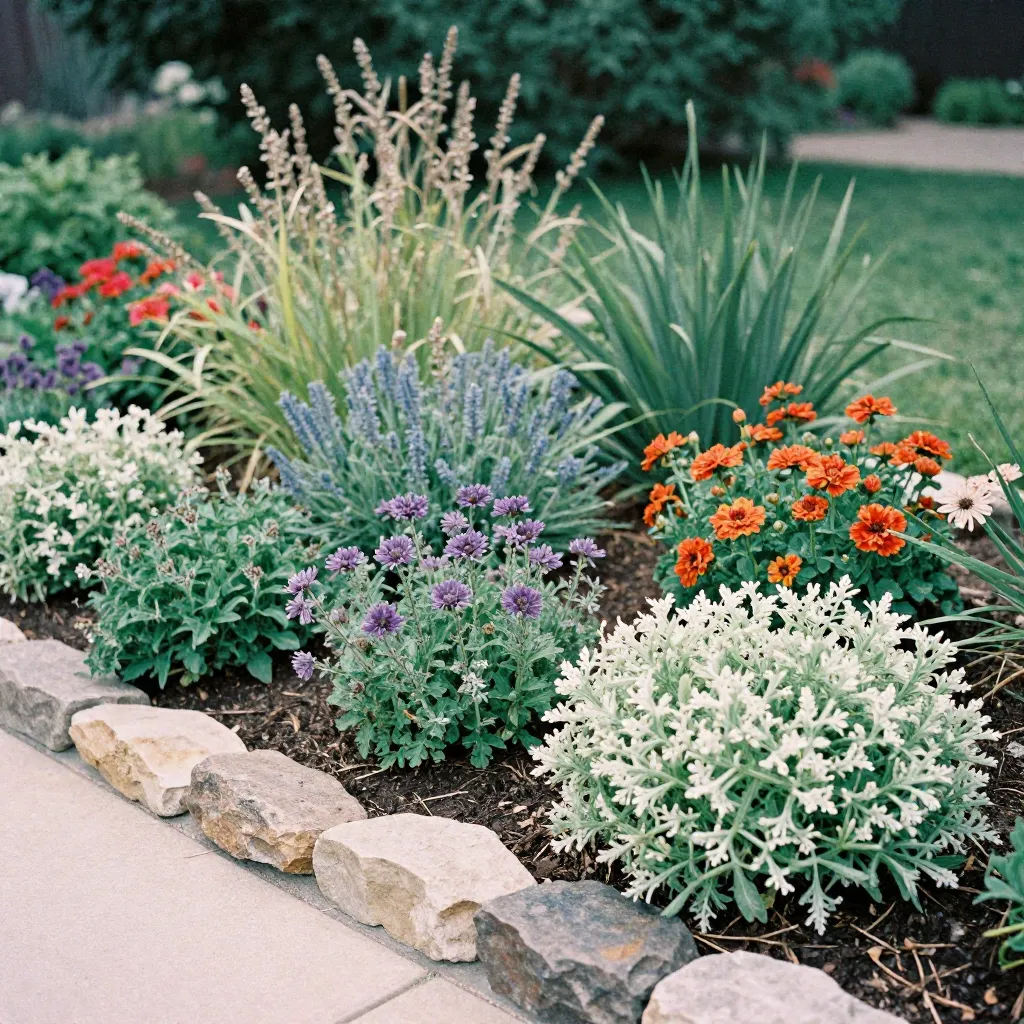
Drainage Layer Structure
Base Foundation Layer
The foundation consists of larger aggregate materials, typically 20-40mm stones. This layer provides structural stability and creates air pockets that support drainage. The depth varies based on soil conditions and expected load.
Proper base preparation prevents water accumulation at the surface level. Water moves through this layer efficiently, preventing saturation that could damage plant roots or create unstable conditions.
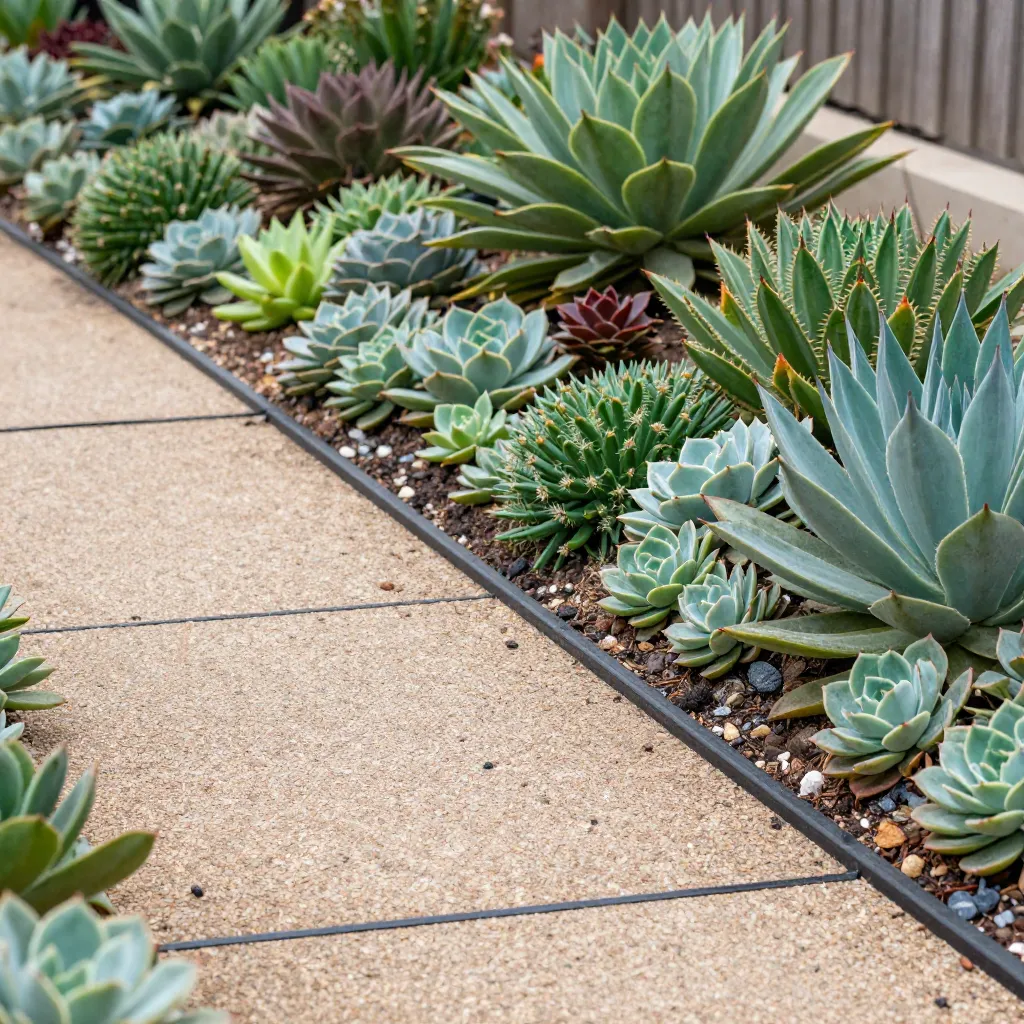
Intermediate Filtration Layers
Grading Transition
Between the base and surface layers, progressively smaller materials create a transition zone. This grading prevents fine materials from migrating downward while maintaining permeability.
Barrier Membrane
A geotextile membrane separates layers and prevents weed growth from below. This material allows water passage while blocking root penetration from unwanted vegetation.
Surface Material
The visible surface layer uses smaller gravel or stone chips. This material choice affects both drainage performance and visual appearance, with options ranging from natural stone to processed aggregates.
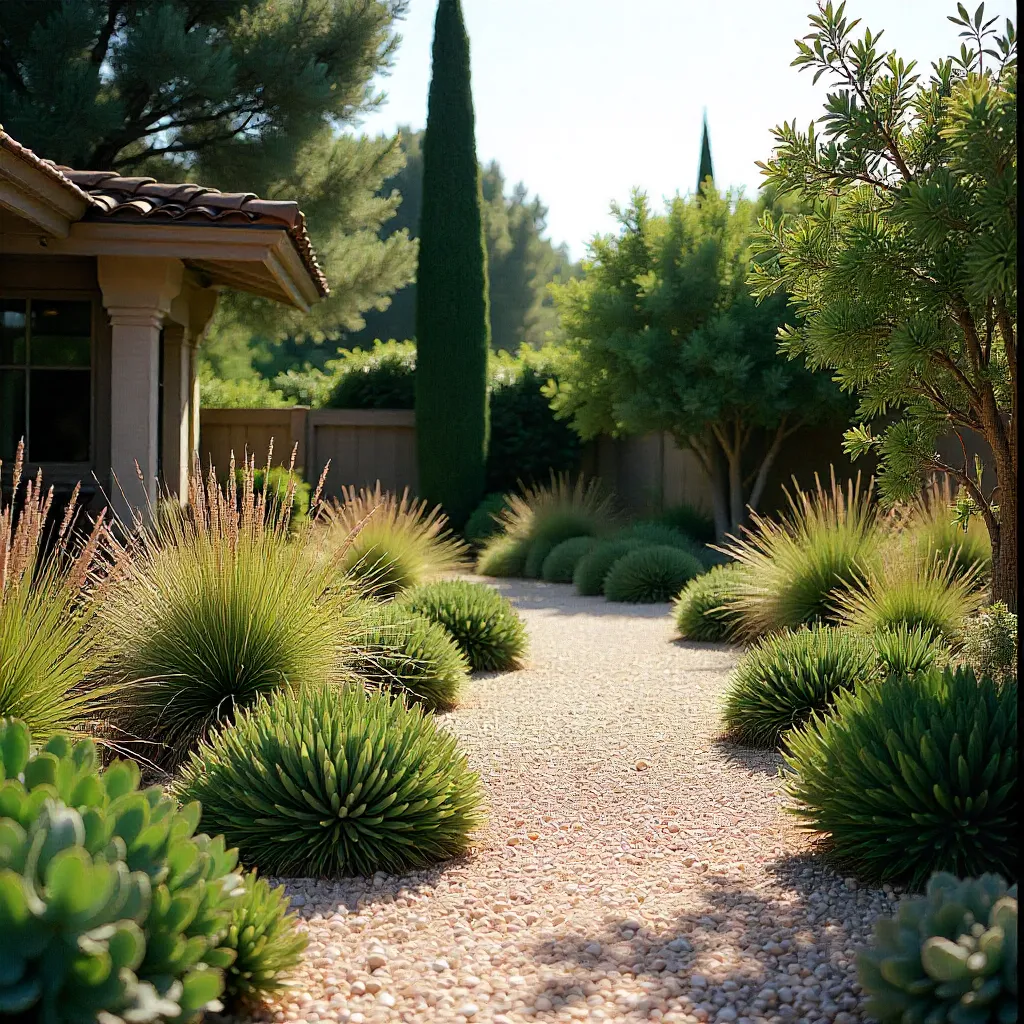
Root Zone Development
Plants selected for these environments develop deep root systems that access moisture from lower soil layers. The layered structure encourages vertical root growth rather than shallow spreading.
This root architecture provides stability and allows plants to access water reserves that accumulate in the base layers during precipitation events. The system essentially creates a water storage mechanism within the garden structure itself.
Over time, organic matter from plant debris contributes to the upper layers, creating a natural mulching effect that further reduces evaporation and supports plant health.
Water Movement Physics
The system operates on principles of capillary action and gravity. Water moves through the layers based on material porosity and particle size distribution.
Capillary Action
Fine materials in upper layers can draw moisture upward through capillary forces. This mechanism helps distribute water evenly and makes it available to plant roots.
Gravity Drainage
Excess water flows downward through the permeable layers, preventing surface pooling. This drainage protects plant roots from waterlogging during heavy precipitation.
Evaporation Control
The surface layer acts as a barrier that reduces direct evaporation from lower layers. This conservation mechanism extends the availability of stored moisture.