Solar Reflection Principles
Different materials and colors interact with solar radiation differently. Understanding these interactions helps optimize surface selections for thermal management.
Albedo Effect
Light-colored materials have higher albedo values, meaning they reflect more solar radiation. This reflection reduces heat absorption and can lower surface temperatures significantly.
Material Composition
The mineral composition of stones affects their thermal properties. Some materials naturally reflect more radiation regardless of color, while others absorb and retain heat.
Surface Texture
Rough surfaces may trap air and create microclimates, while smooth surfaces reflect more uniformly. Texture selection balances aesthetic goals with thermal performance.
Generate Area Analysis
Enter your location to receive material recommendations based on local climate data and solar exposure patterns.
Recommended Color Palettes
Light Gravel Tones
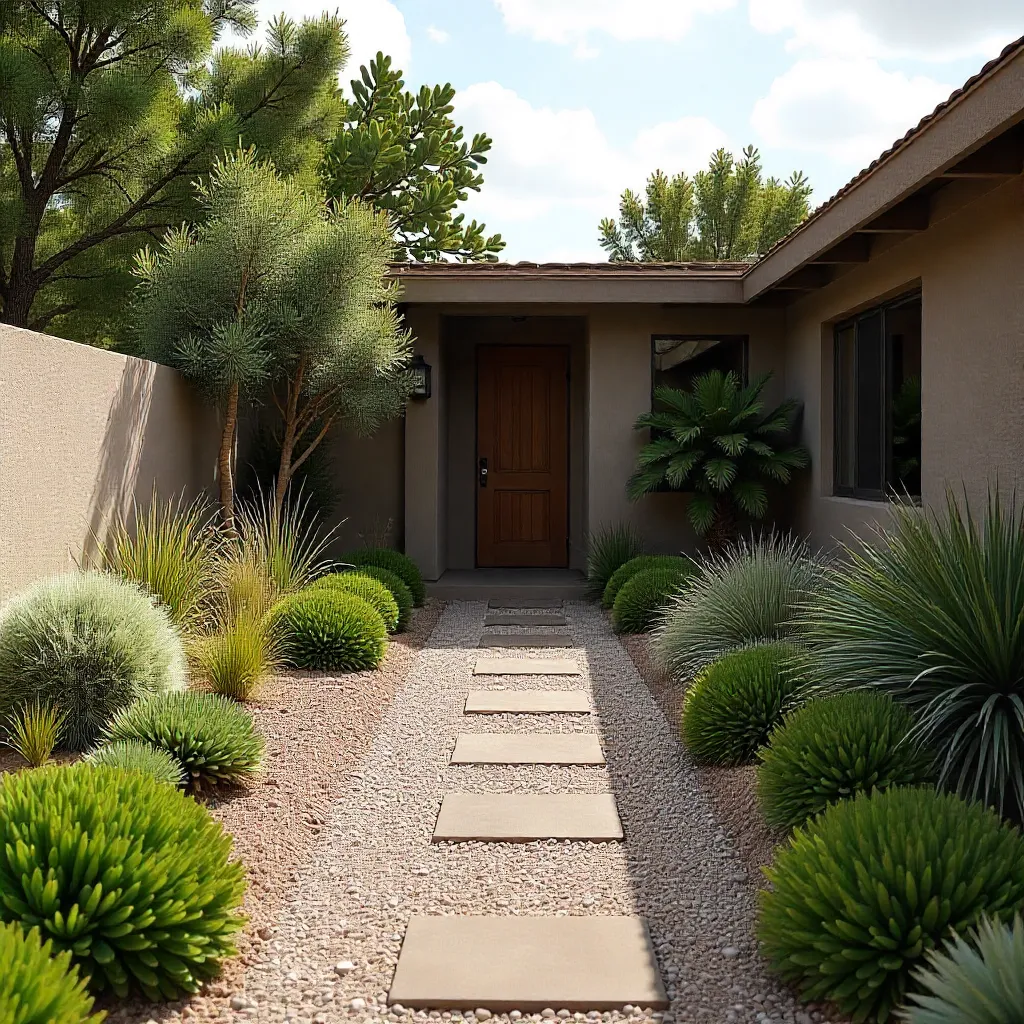
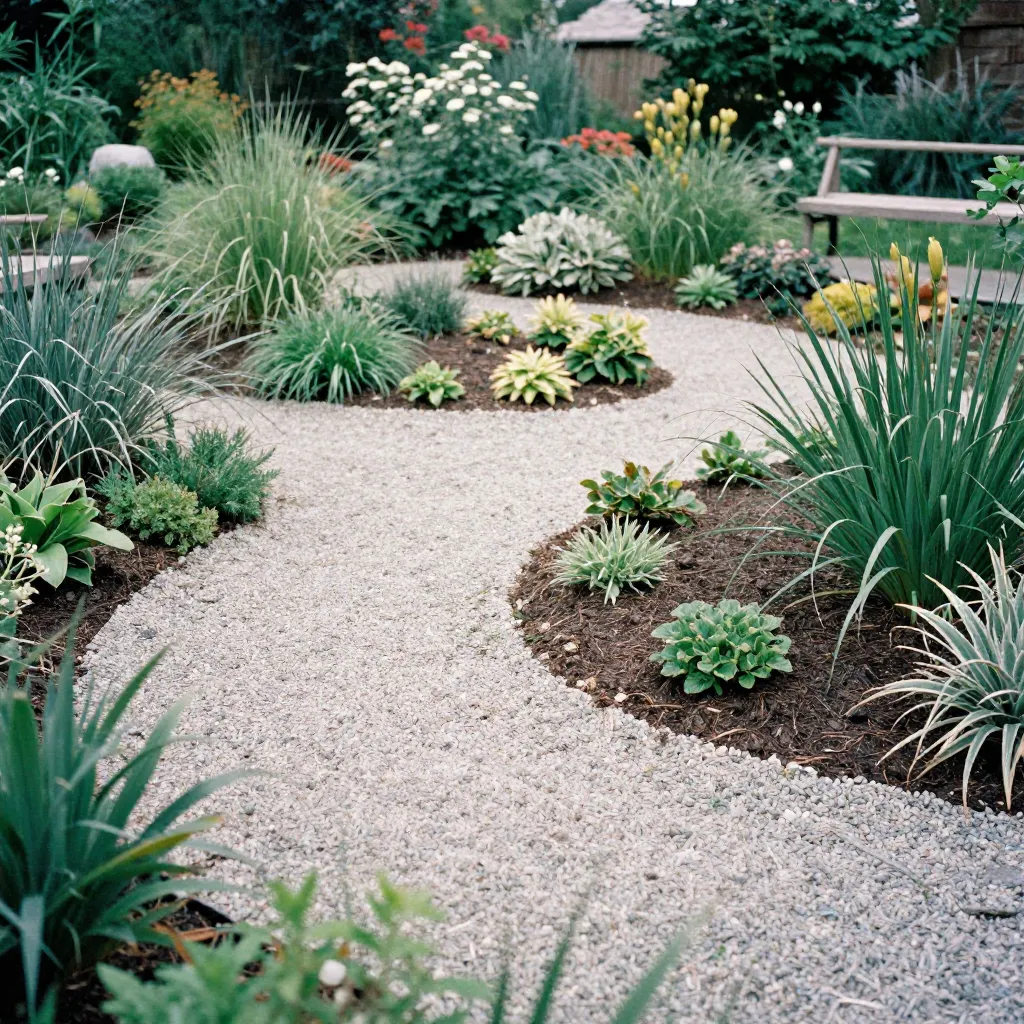
Light gray, beige, and white gravels offer high reflectivity. These materials can reduce surface temperatures by several degrees compared to darker alternatives, potentially lowering cooling requirements for nearby structures.
Natural Stone Varieties
Quartz-based stones and light-colored limestone provide good reflectivity while maintaining natural appearance. These materials blend well with plant selections and offer long-term durability.
Mixed Material Approach
Combining light and darker materials creates visual interest while maintaining overall reflectivity. Strategic placement of darker accents doesn't significantly impact overall thermal performance.
Energy Efficiency Considerations
Reducing heat absorption around buildings can contribute to lower cooling energy requirements during warm seasons. This effect is most noticeable in areas with significant sun exposure.
While the impact varies based on climate, building orientation, and other factors, selecting reflective materials represents one component of a comprehensive energy-efficient landscape strategy.
Consider how your material choices interact with building placement, existing vegetation, and seasonal sun angles when planning your design.